

Bakers Of Danbury Limited
Mr Mark Howlett
- [email protected]
- Phone
- 01245225876
About Bakers Of Danbury Limited
A Long-Standing History in Heritage Construction
Established in 1878 and based at our head office in Danbury, Essex, Bakers of Danbury Ltd are specialist heritage building contractors with over 145 years of experience. As experienced building contractors, we operate as a principal contractor, specialising in the restoration of heritage buildings, listed properties, churches, and new build projects. We also work as school refurbishment contractors.
Owned by its Senior Management team, Bakers of Danbury is committed to delivering exceptional workmanship and a first-class service across every project. We work across Essex, Cambridgeshire, East Anglia, London, Kent, and Hertfordshire, providing our services to homeowners, churches, commercial clients, architects and public sector organisations.
Projects
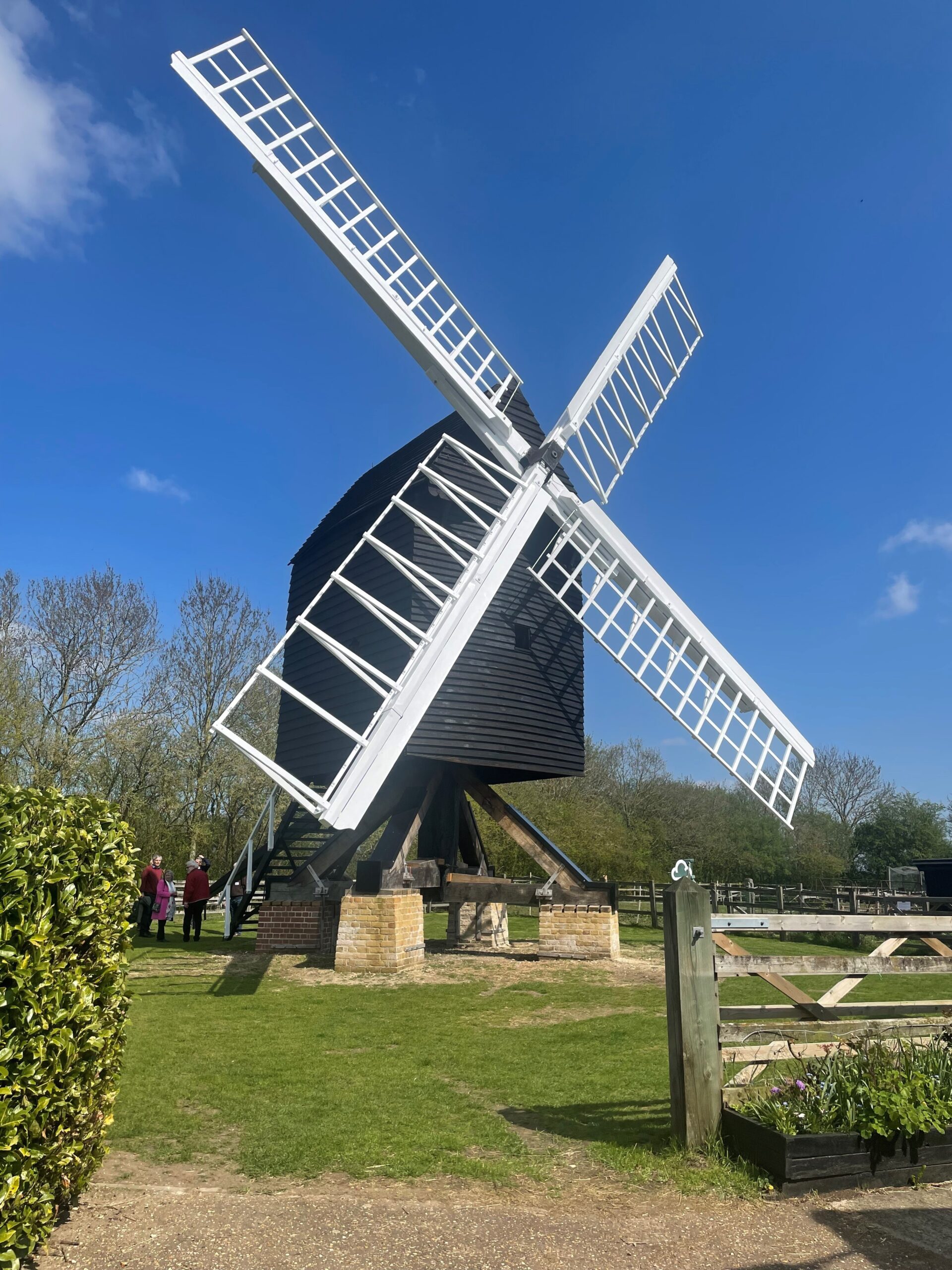
Situated in the Cambridgeshire countryside near to the village of Bourn, Bourn Mill stands as one of England’s most ancient surviving windmills.
It was built in the reign of King Henry VIII with its vast oak timbers and beams dating back to 1500.
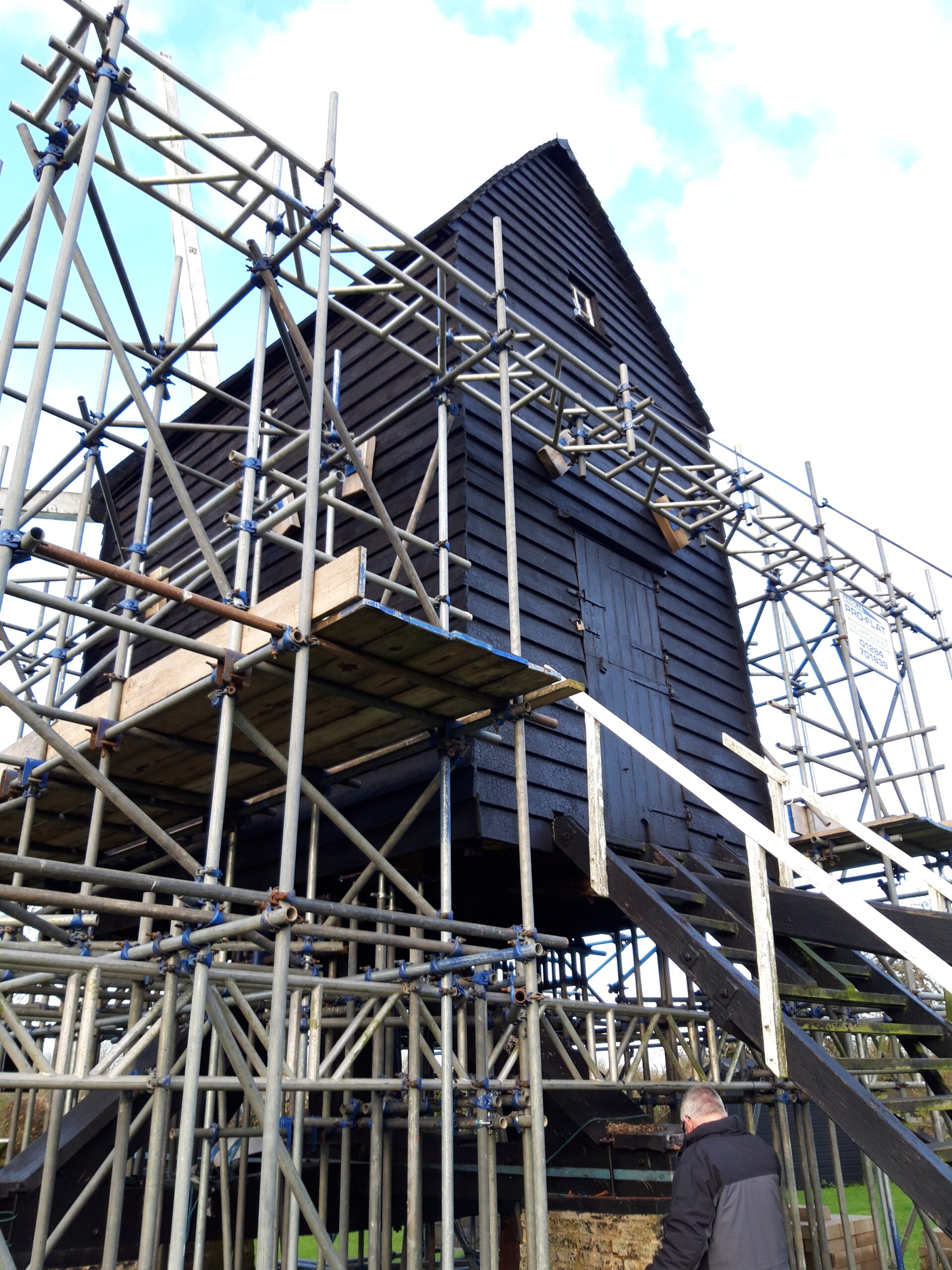
In the spring of 2022, Bakers of Danbury embarked on the restoration works.
The workings of the mill
With a design that dates to medieval times, the mill operates via the body of the mill, known as the buck, being able to rotate around a huge central oak post to allow the 4 sails to face the wind and turn to drive the machinery that grinds the wheat.
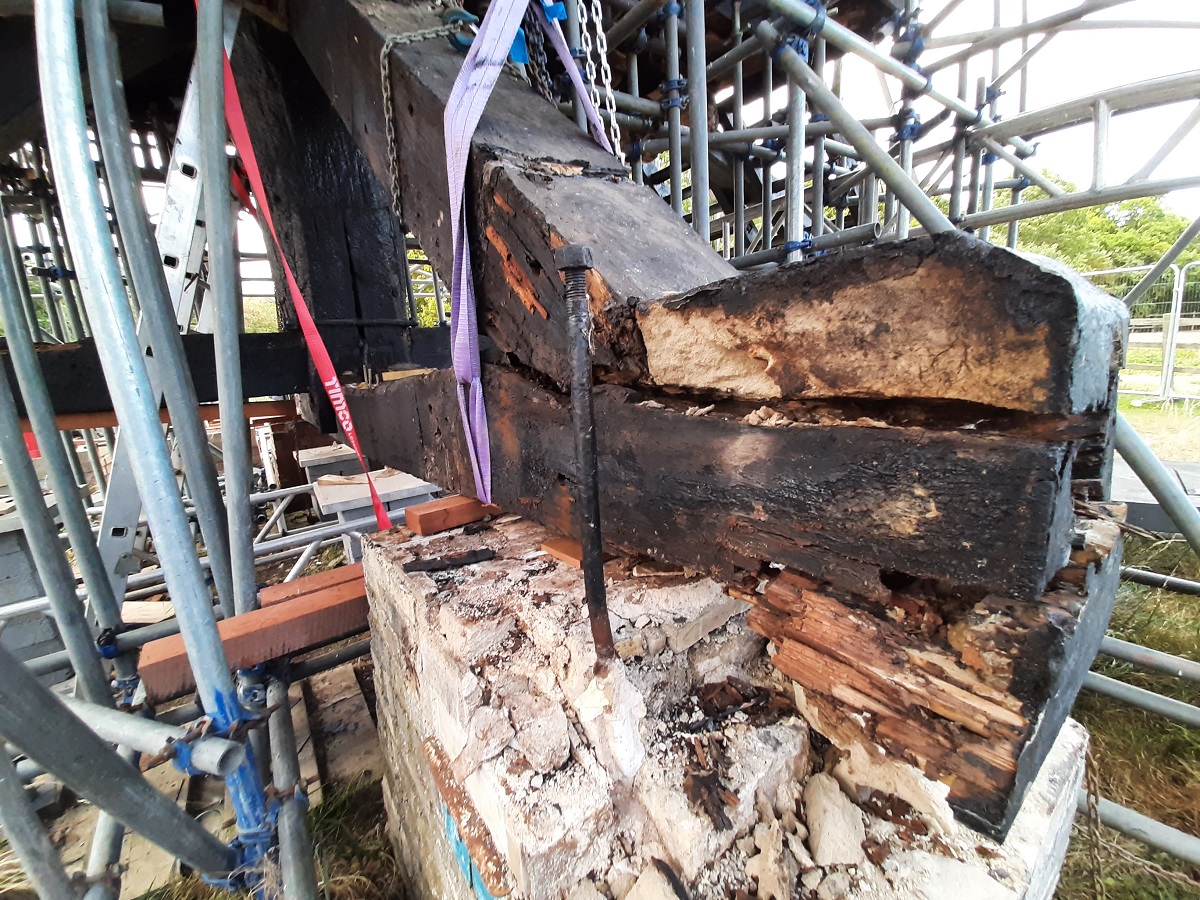
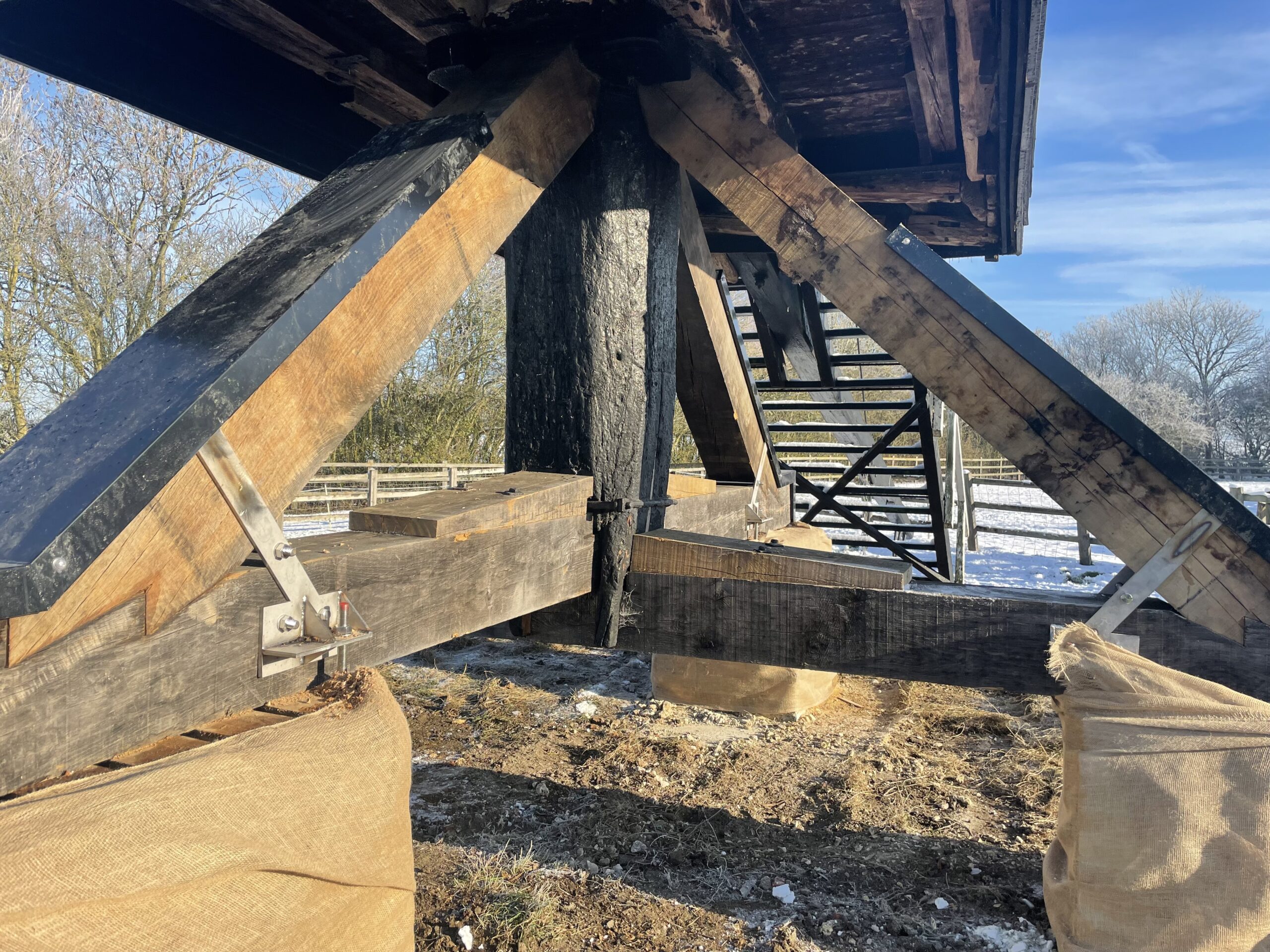
The buck is supported by a vast wooden trestle of 4 oak beams; the horizontal cross trees and angular quarter bars. These are suspended and supported on four brick piers. Following a routine inspection of the mill at the beginning of 2020, it was these beams where extensive decay was discovered raising a real concern about the future of the mill.
Investigations
Historic England were enlisted, and formal investigations began in 2020 to clearly understand the issues being faced. It was found that decay to the trestle beams had previously been addressed using a resin and sand-based filler forming blocks which were tied to the sound timber with stainless steel rods.
The timber had so significantly deteriorated that it became alarmingly apparent that these beams were providing little structural integrity to support the weight of the buck. The rotten timbers were also suffering from wet rot displaying cubing and a white bloom and although dry rot was not in evidence, the timbers were at the stage where this could occur, the resulting spores of which would be catastrophic to the timbers of the mill.
Found also was that the surface of the original timbers and main support column had undergone multiple applications of a black finish over the years. Identifying the specific coatings proved challenging but the presence of coal tar was suspected as a contributor to the deterioration of the timbers.
The Restoration Programme - Raising of the mill
The initial phase centred on raising the main body of the mill to allow the detachment and removal of the rotten supporting timber beams. Five hydraulic jacks were placed at specific points: four on the outer corners of the upper and lower cross tresses, and one under the central cross point main post, all supported by suitable base pads.
The existing side screw jacks supporting the structure were carefully loosened and a team of four operatives then lifted the entire trestle with the jacks under the buck being progressively tightened at 50mm intervals. Once the windmill was raised to the specified height of 150mm, the jacks under the buck and side supports were tensioned. The trestle was then lowered and detached from the buck and pivot plate. Internal timber supports were added. Throughout the process a spotter was present to monitor and ensure stability.
Replacing the oak beams and reconstruction
The trestle was dismantled in sections. Extreme care was taken with lifting equipment used to reduce manual handling. All existing joints were recorded wherever access allowed, and the old beams were removed and analysed for the patterns to be replicated in the new oak beams.
Each new oak beam of colossal weight was firstly dry fitted before the final fix. The beam ends were treated in a beeswax oil then held in position with stainless steel bolts & brackets and bolted to the brick piers. The existing wedges between the cross trees and the main post were retained and reused.
The brick piers providing the support for the beams were also reconstructed using lime mortar to match the original. There was a 30-day drying period to allow the lime to harden before the lowering process and the reconnection of the pivot plate and buck to the new trestle could take place.
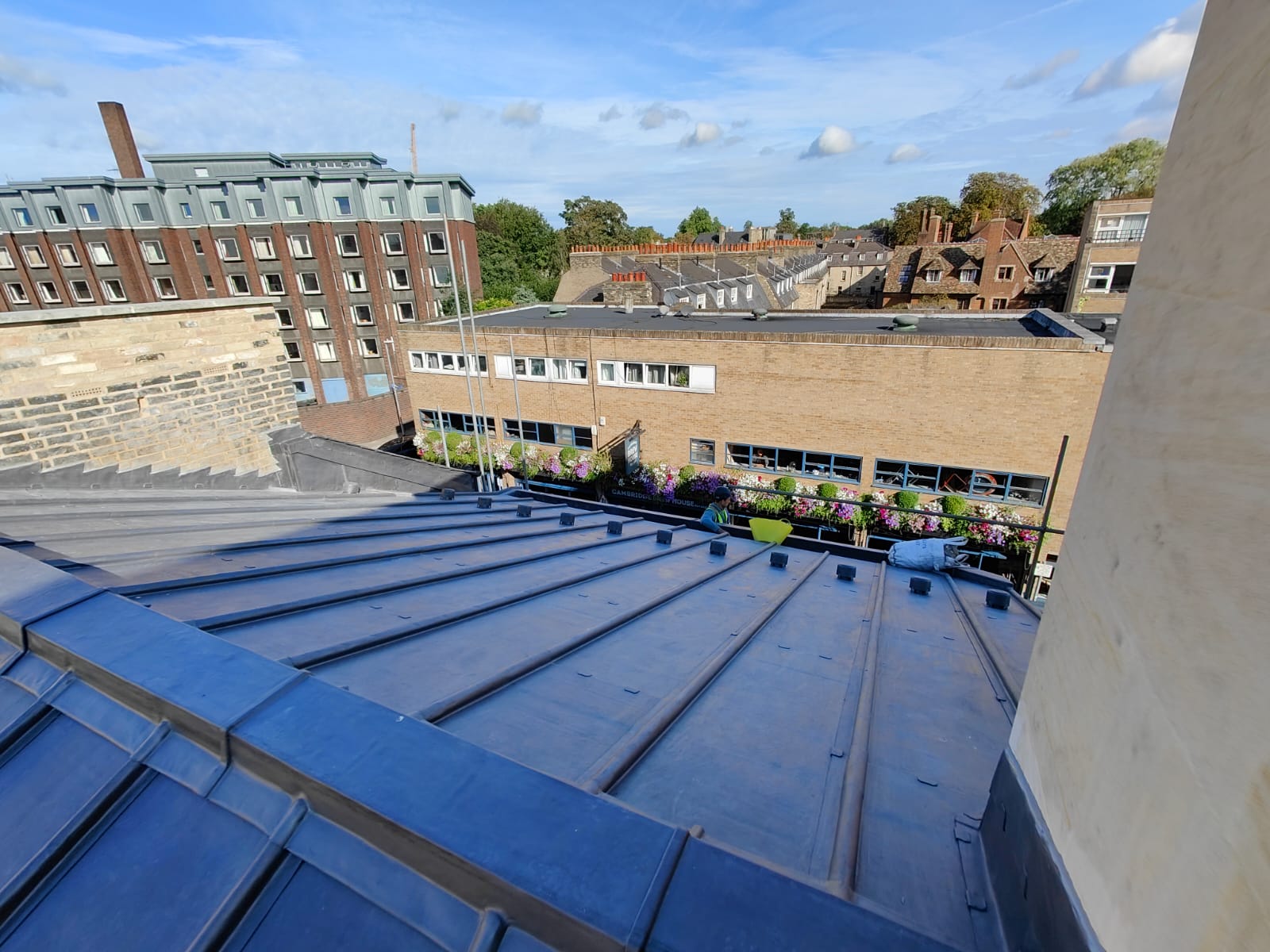
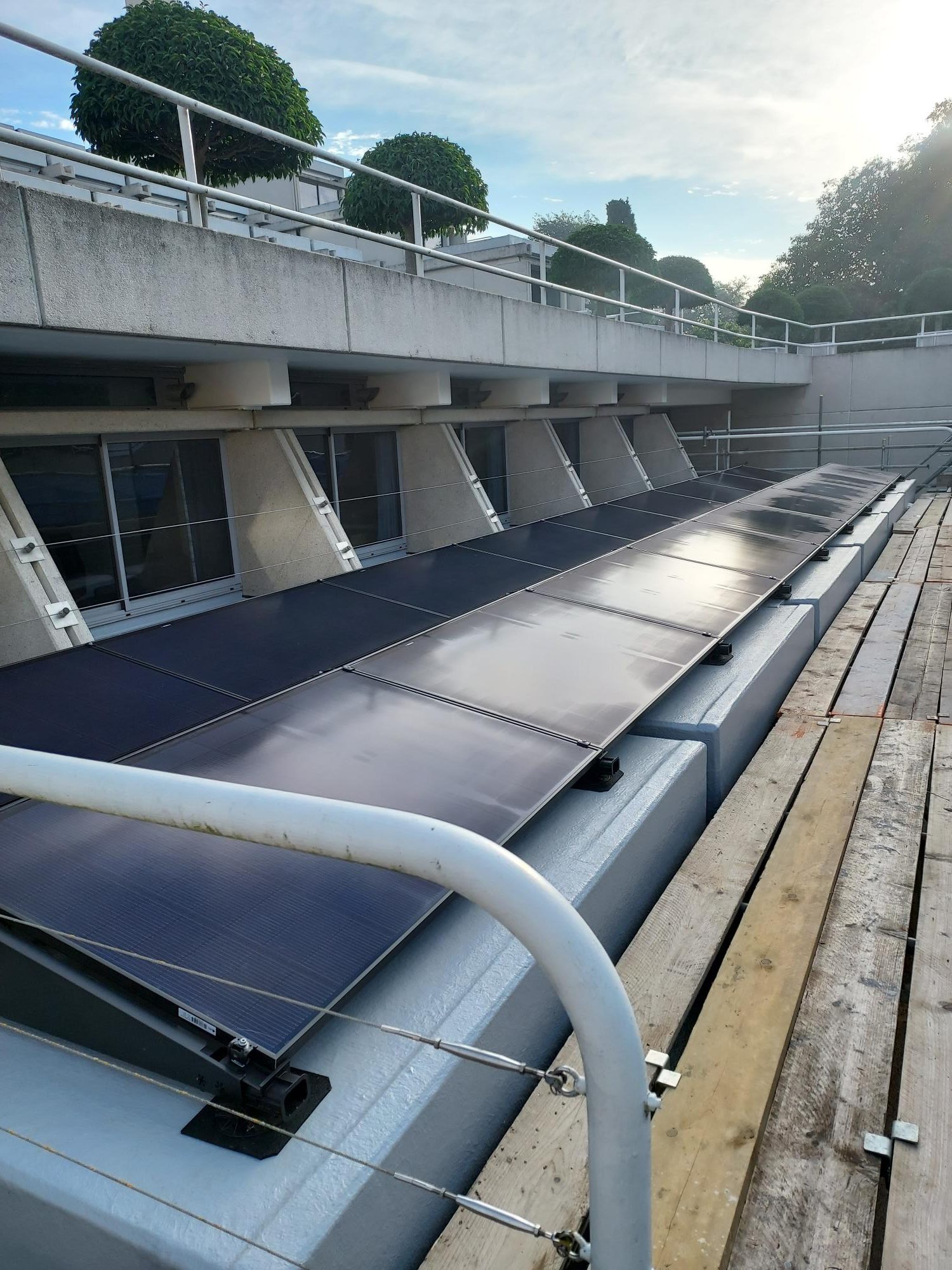
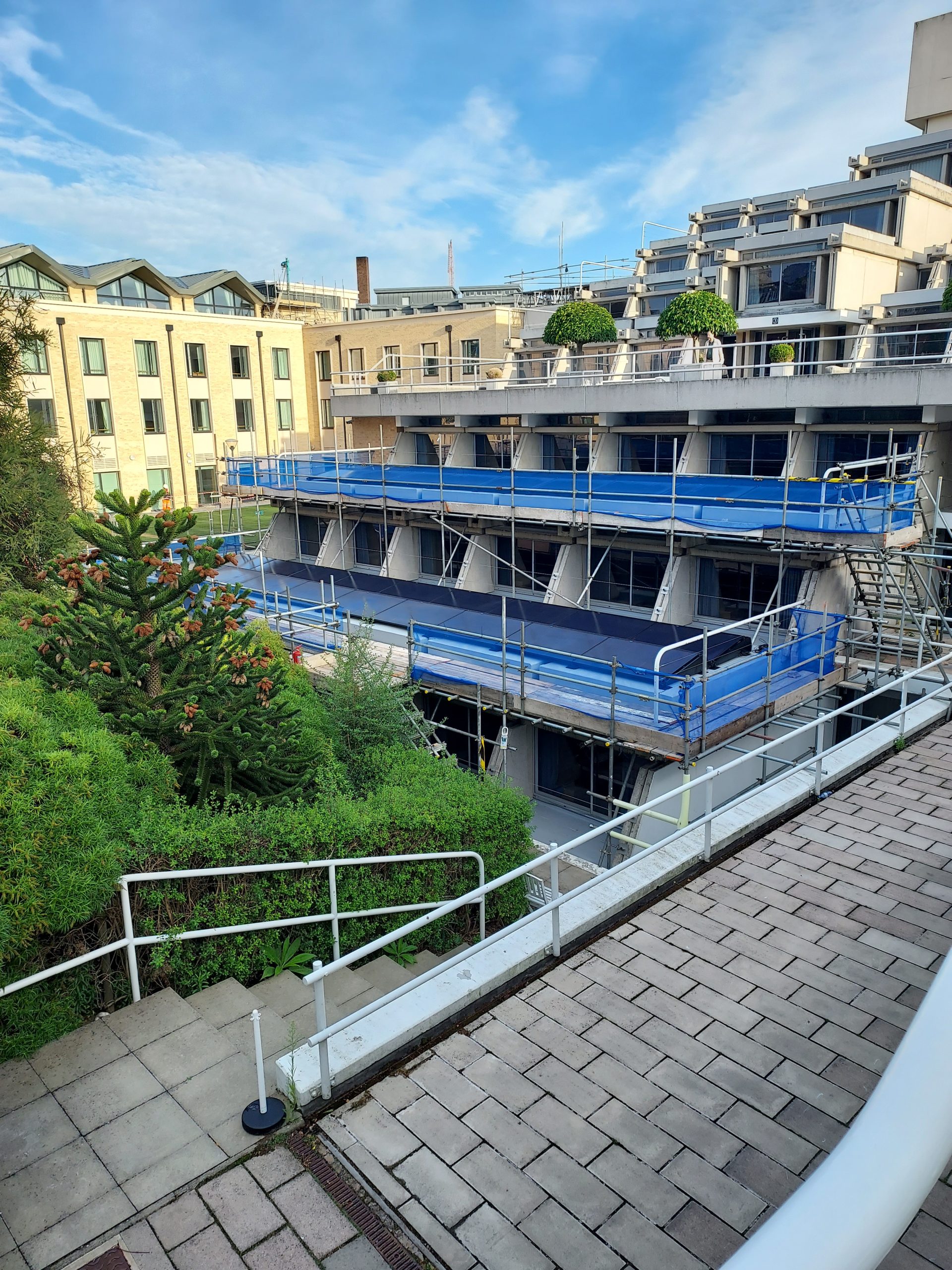
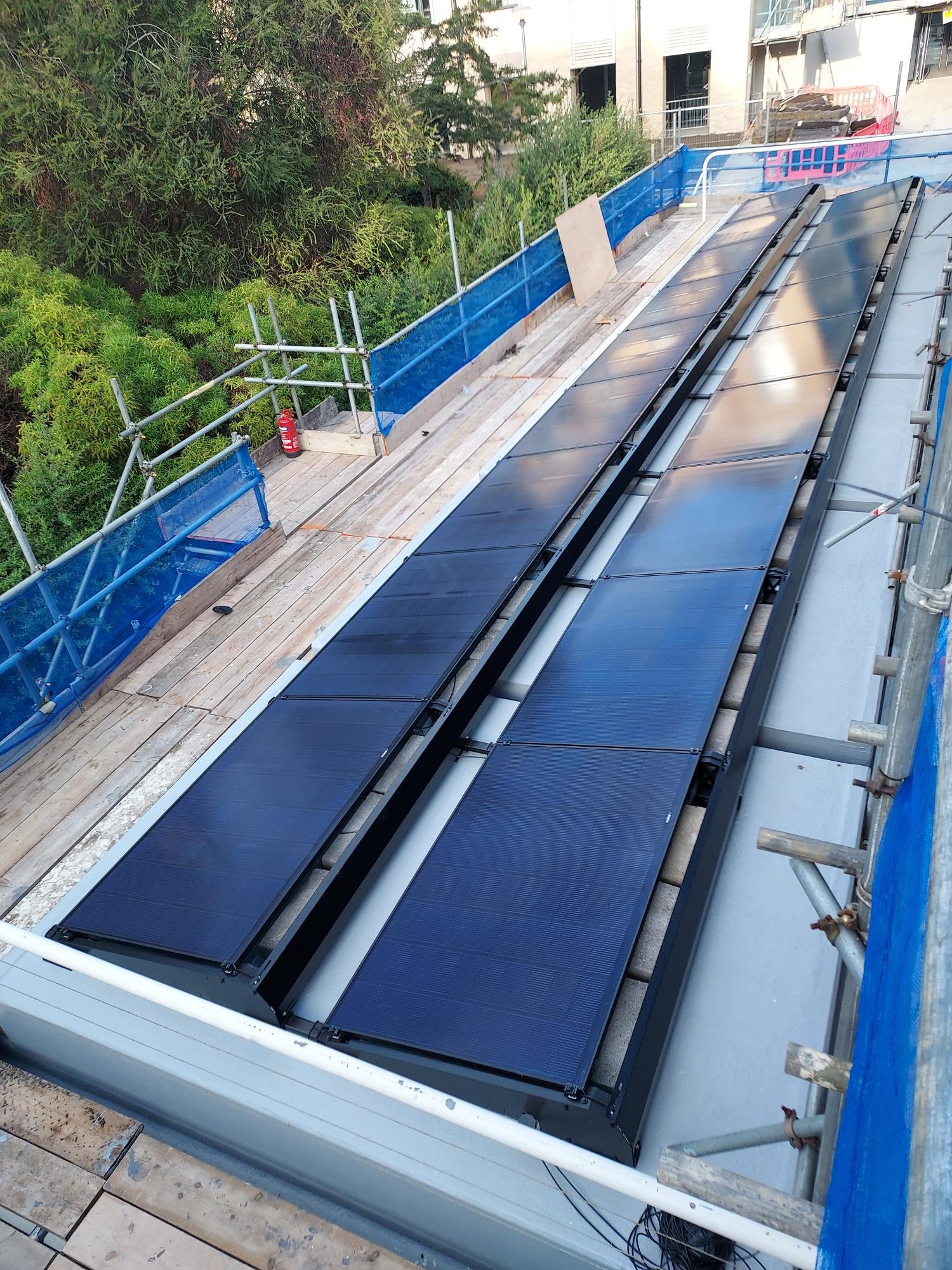
Bakers have completed a roof renovation and solar panel preparation programme to the Lasdun Building at Christ College, Cambridge University. The Lasdun Building is an iconic concrete building with a stepped roofing structure. It was built in 1968 and nicknamed the ‘Typewriter’ is a fantastic example of Brutalist architecture.
Project Overview
The works involved a new lead roof and lead roof repairs across the entire building. A SIKA liquid membrane roof finish was also applied to the existing concrete roofing to enable the fitting of phase 1 of a new solar panel scheme.
As Principal Contractor we co-ordinated and facilitated the preparation and enabling works, managing the project through to completion ensuring all warranties and certificates were issued.
Preparation and temporary works
A professional environmental clean was undertaken removing moss, pigeon waste, lichen and any debris in order to prepare the area for the works. Scaffolding, a temporary roof and debris netting was installed to fully protect the works and surrounding areas, and to ensure the building was watertight throughout the duration of the project.
Lead roofing repair programme
A programme of repair was undertaken involving the supply and fix of new treated timber roofing battens with penny gaps between boarding to allow ventilation. Insulation and a continuous roof deck was laid. New lead sheets and flashing joints were installed and all new lead was treated with patination oil (a white spirit based liquid) protect the lead and prevent carbonate formation and white staining that can appear when exposed to the elements and moisture if left untreated.
SIKA coating system in preparation for solar panels
A Sika liquid applied coating system was applied to the Lasdun Building roof area in preparation for the installation of the Solar PV panels.
As the Principal Contractor we then co-ordinated and facilitated the preparation and enabling work for Cambridge Solar including cable entry routes, PV mounting system, hand railings and protection of all the surfaces.
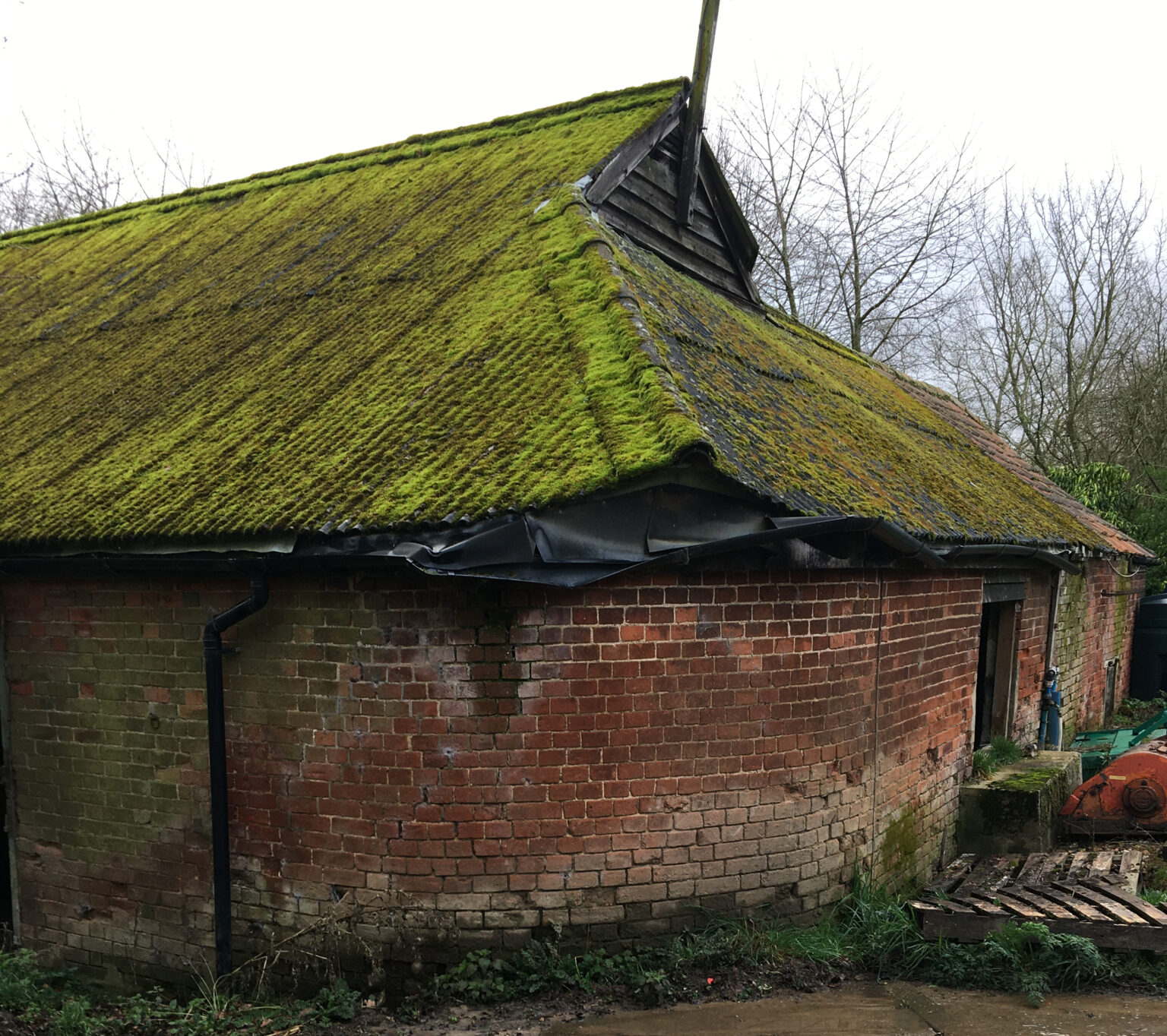
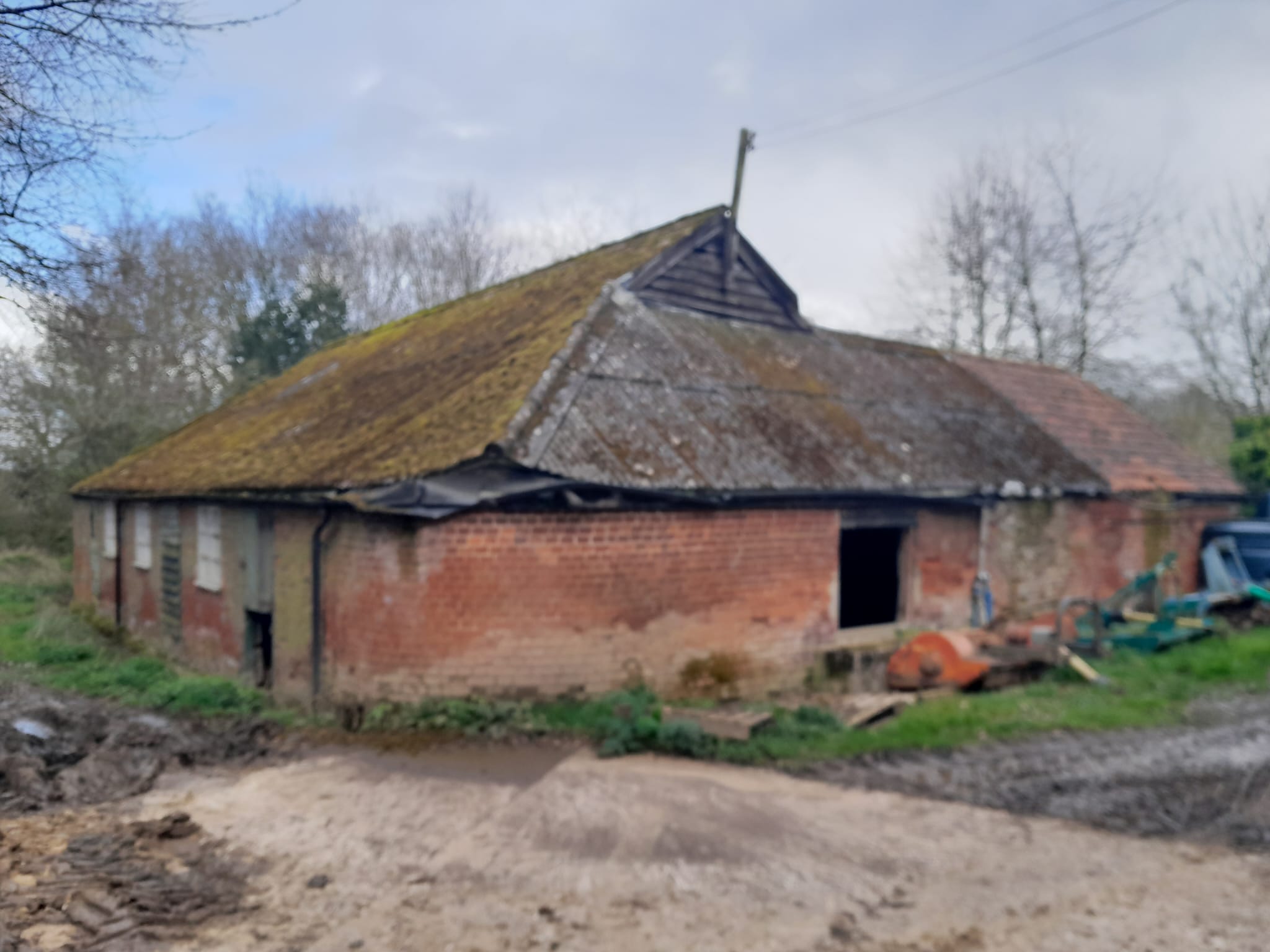
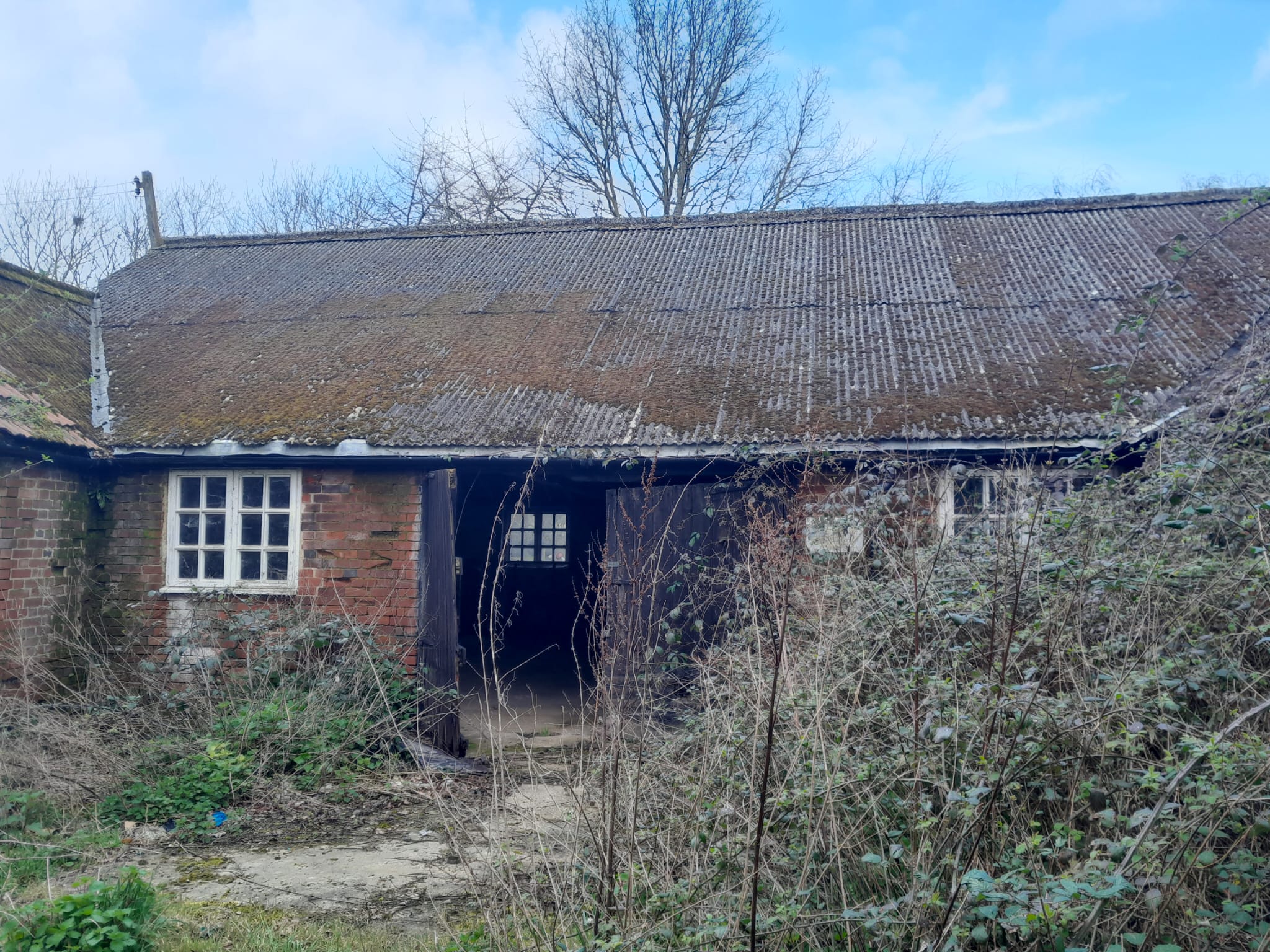
Bakers of Danbury are nearing the completion of a Grade II listed barn conversion in Essex into a commercial letting space. Located on a working farm in Essex, the barn restoration project focuses on maintaining the barns historical integrity while upgrading its structure, roofing and facilities for modern use.
The photos show the barns prior to work commencing and we look forward to showing you progress photos soon as the restoration of this project in Coggeshall, Braintree takes shape!
Key works of the restoration project
Structural repairs:
The existing curved cornered soft red brick wall was suffering from cracking due to the existing ground level imposing load and pressure against it as well as rising damp issues. Extensive underpinning and a structural external retaining wall were installed to address this. The brick walls were carefully dismantled and rebuilt with the original and matching materials with lime mortar used.
Roofing:
The barns were re-roofed with a metal insulated roofing system and traditional clay triple roman roof tiles, replacing the unsafe corrugated asbestos sheets.
Timber repairs:
Rotten oak plates, rafters and valleys were replaced to resolve the wet rot and damp issues.
Drainage, utilities and landscaping:
A new drainage system, BioDisc treatment plant and new electrics and plumbing were added. A new DDA-compliant kitchen and toilet facilities were also installed. A new carpark and courtyard will be created to improve access and functionality.
Conservation requirements
Sourcing bricks that were the right colour and size was crucial for maintaining the building’s historical character and meeting conservation guidelines. The project required expert knowledge in heritage restoration to ensure this was done correctly blending original materials with new.